
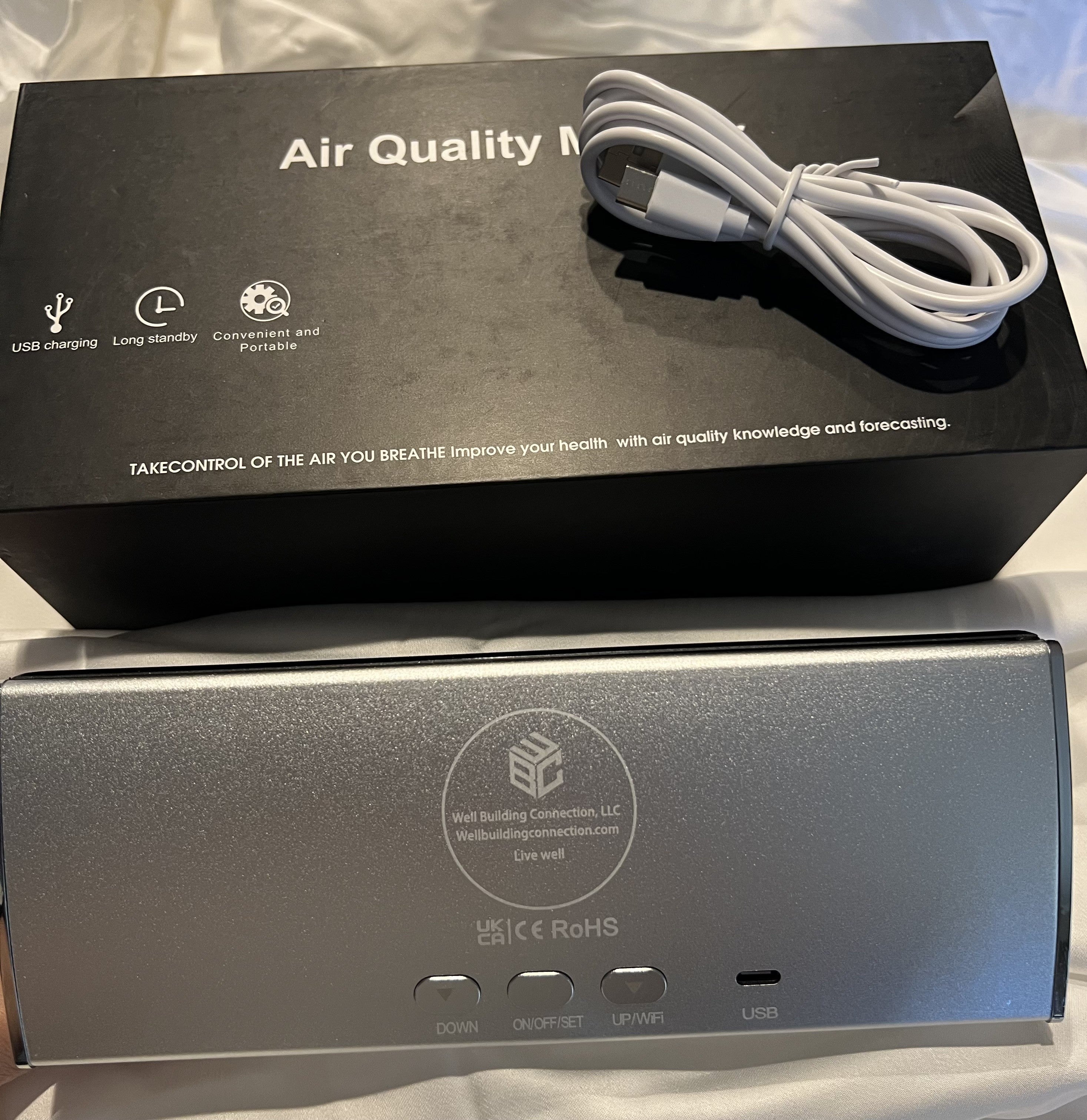
Potential contributors to indoor air pollution include cooking, vacuuming, smoking, microwave ovens, gas heating systems, fireplaces, open windows, insulation materials, pets, refrigerators, and other household items or activities. The majority of people believe that their indoor air quality is relatively high. What actions would you take if you learned that your indoor air quality was poor?
What are effective methods for reducing exposure to indoor air pollution?
Mitigation strategies encompass a range of practical interventions such as installing range hoods, optimizing ventilation by opening or closing windows as appropriate, utilizing air purifiers, regularly changing and cleaning air filters, maintaining general cleanliness, limiting indoor smoking, deploying air quality monitors, and other context-specific actions. Our analysis quantified the number of perceived mitigation strategies reported, with a higher count indicating more approaches identified for risk reduction.
Indoor Air Quality Monitoring
Using indoor air quality monitors is recommended to enhance awareness and control over household air conditions. These devices assist in identifying and mitigating pollutants, managing allergies and asthma, improving cognitive function, and providing alerts for hazardous situations such as elevated CO2 or radon levels. Real-time data from monitors enables informed decisions concerning ventilation, air purification, and addressing specific pollution sources.
Key Benefits of Employing Indoor Air Quality Monitors
· Identification and Reduction of Pollutants: Devices can detect substances such as fine particulate matter, volatile organic compounds (VOCs), and formaldehyde, originating from furniture, paints, and cleaning agents, as well as measure radon exposure.
· Protection of Respiratory Health: Poor air quality triggers symptoms among individuals with allergies or asthma. Monitoring supports targeted adjustments to improve health outcomes.
· Cognitive Function Enhancement: Elevated carbon dioxide concentrations may impair cognitive performance; monitoring facilitates prompt responses to such changes.
· Detection of Odorless Hazards: Certain harmful gases like carbon monoxide and radon are invisible and scentless. Early warning systems through monitors can be life-saving, though certified detectors are recommended for carbon monoxide due to safety standards.
· Optimization of Air Purification Systems: Strategic placement of monitors provides a comprehensive overview, allowing efficient operation of purification solutions and tailored responses such as adjusting settings or ventilating.
· Increased Peace of Mind: Understanding the state of one's indoor environment offers reassurance, particularly for vulnerable populations and those living in areas affected by common external pollutants.
Monitors provide detailed, real-time data on particulate matter, VOCs, CO₂, and humidity, enabling targeted interventions. They serve critical roles in preventing health issues (such as headaches, fatigue, respiratory complaints, and chronic disease), protecting sensitive individuals, detecting dangerous gases, and controlling humidity to mitigate mold growth.
Data-driven Control and Decision-Making
These devices help track otherwise undetectable pollutants, offer insights into environmental trends, and correlate spikes in pollution with specific household activities. Alerts facilitate timely remedial actions. They also contribute to improved HVAC system efficiency, which may result in energy savings.
Personal Sensing Technologies and Risk Awareness
Well Building Connection’s portable indoor air quality monitors empower users to recognize risks and adopt behaviors commensurate with those risks. Well-designed personal sensors enable individuals to proactively manage and reduce their exposures.
Broader Context and Importance
Indoor air quality is an increasingly important public health concern. With most time spent indoors, individuals face substantial exposure to pollutants—especially fine particulate matter (PM2.5)—that pose significant health risks. Indoor air quality sensors equip individuals with actionable information necessary to understand and address these risks.
Despite improvements in urban air quality, both visible and invisible indoor pollutants remain prevalent, often entering from outside or being generated within the home. PM2.5 is particularly insidious since its small size makes it invisible at normal concentrations but highly damaging. In contrast to outdoor pollution, indoor air quality is more readily manageable without large-scale regulatory action.
Risk Perception and Behavior Adoption
Whether individuals implement risk-reducing behaviors depends largely on their perception and awareness of risk. Feedback from monitors can motivate protective behaviors more effectively than generalized information, and experiential learning (e.g., observing monitor readings during specific activities) can further reinforce understanding. Indoor air quality monitors thus serve as essential tools linking daily choices to measurable risk levels.
Personal Sensor Technologies
A growing market exists for personal sensor technologies capable of detecting ambient PM2.5 and other pollutants. Our device is portable, allowing users to monitor different rooms and activities, assessing indoor air quality in real time.