
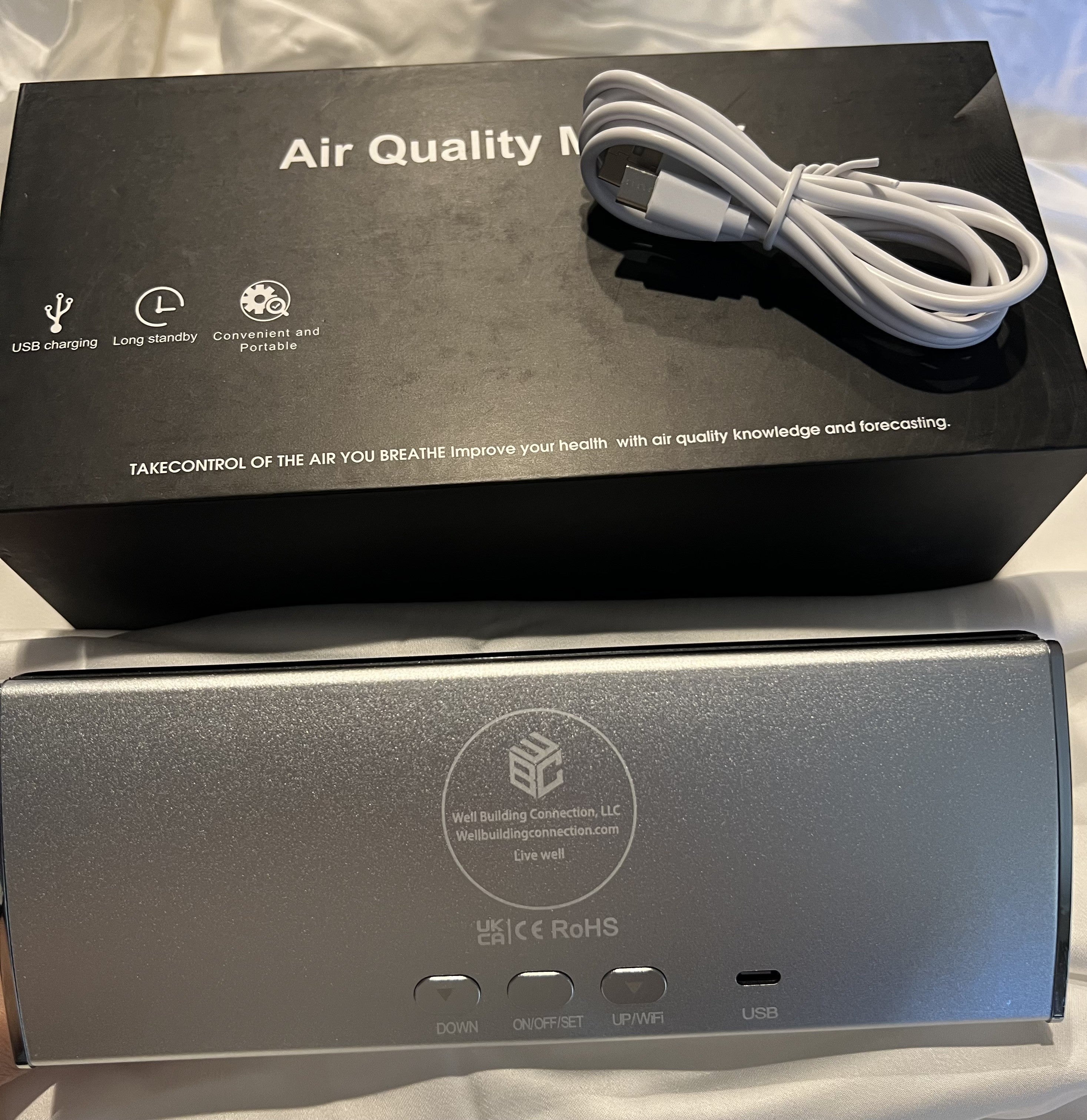
Why You Should Use An Indoor Air Quality Monitor
Have you ever wondered about the quality of the air you breathe indoors? An Indoor Air Quality Monitor can provide you with valuable insights into the air you and your family are breathing every day.
What is an Indoor Air Quality Monitor?
An Indoor Air Quality Monitor is a device that measures various parameters in the air, such as temperature, humidity, carbon dioxide levels, volatile organic compounds (VOCs), and particulate matter. These monitors can help you identify potential air quality issues in your home or office.
How Does an Indoor Air Quality Monitor Work?
Indoor Air Quality Monitors work by using sensors to detect and measure the levels of different pollutants in the air. These sensors can provide real-time data on the air quality, allowing you to take action if necessary. Some monitors can even send alerts to your phone or other devices when air quality levels are not within the recommended range.
Why is an Indoor Air Quality Monitor Important?
Poor indoor air quality can have a significant impact on your health, leading to symptoms such as headaches, fatigue, allergies, and respiratory issues. By using an Indoor Air Quality Monitor, you can track the air quality in your home and make changes to improve it, such as increasing ventilation, using air purifiers, or removing sources of pollution.
Benefits of Using an Indoor Air Quality Monitor
Studies have shown that indoor air can be more polluted than outdoor air, making it essential to monitor and improve indoor air quality. By using an Indoor Air Quality Monitor, you can:
- Detect high levels of pollutants
- Identify sources of indoor air pollution
- Monitor the effectiveness of air purifiers or ventilation systems
- Protect your health and the health of your family
Investing in an Indoor Air Quality Monitor is a proactive step towards creating a healthier indoor environment for you and your loved ones. With the ability to track and improve air quality, you can breathe easier knowing that you are taking control of the air you breathe.